
Algonquin Hedging Services
Choose our professional hedging services for precision, reliability, and stunning results that enhance your property's curb appeal and create a private, welcoming outdoor space.
Get a Free QuoteOur Algonquin Landscaping & Yard Care Services
When to Schedule Hedging in Algonquin, IL – Seasonal Guide
In Algonquin, IL, the best times to schedule hedging are typically late spring and early fall. These periods align with the region’s moderate temperatures and reduced risk of frost, which is especially important given Algonquin’s variable climate. Early spring hedging, after the last frost but before new growth, helps shape hedges and encourages healthy regrowth. Fall hedging, after the summer heat has subsided but before the first hard frost, allows plants to recover before winter.
Local factors such as the proximity to the Fox River, the shaded lots in neighborhoods like Old Town Algonquin, and the clay-heavy soils common in the area all influence the timing and frequency of hedging. Humidity levels and the risk of summer droughts can also impact plant health, making it important to avoid trimming during extreme heat or dry spells. For up-to-date information on municipal guidelines and seasonal advisories, residents can consult the Village of Algonquin Official Website.
Local Factors to Consider for Hedging in Algonquin
- Tree density and shade coverage in your yard
- Soil type (clay, loam, or sandy soils)
- Proximity to water sources like the Fox River
- Typical precipitation patterns and drought risk
- Frost dates and seasonal temperature swings
- Terrain and slope of your property
- Municipal restrictions or guidelines on landscaping
Benefits of Hedging in Algonquin
Enhanced Curb Appeal
Increased Property Value
Privacy and Noise Reduction
Expert Local Knowledge
Customized Hedge Solutions
Year-Round Maintenance Support
Algonquin Hedging Types

Boxwood Hedges
-
Yew Hedges
-
Privet Hedges
-
Cedar Hedges
-
Beech Hedges
-
Hornbeam Hedges
-
Arborvitae Hedges
Our Hedging Process
Consultation and Planning
Site Preparation
Precision Trimming
Cleanup and Inspection
Why Choose Algonquin Landscape Services
-
Algonquin Homeowners Trust Us
-
Expert Lawn Maintenance
-
Reliable Seasonal Cleanup
-
Competitive Pricing
-
Professional Team
-
Satisfaction Guarantee
-
Personalized Service
Contact Algonquin's Department of Public Works for Hedge Trimming Debris & Brush Disposal
Proper disposal of hedge trimmings and brush is essential for maintaining Algonquin’s community standards and environmental health. The Village operates a seasonal yard waste collection program, typically from April through November, requiring residents to bundle branches in 4-foot lengths and under 50 pounds, or use biodegradable paper bags for loose clippings. For larger hedge renovation projects, the Transfer Station accepts bulk yard waste during posted hours; residents must present a valid permit or sticker, and fees may apply for oversized loads. Always separate organic hedge debris from inorganic materials like wire or plastic, which require alternative disposal. Disposing of trimmings in streets, gutters, or storm drains is strictly prohibited to prevent stormwater pollution and comply with Illinois EPA and NPDES regulations. Participation in these programs ensures compliance with the Illinois yard waste landfill ban and supports responsible community stewardship.
Algonquin Department of Public Works
2200 Harnish Drive, Algonquin, IL 60102
Phone: (847) 658-2754
Official Website: Algonquin Department of Public Works
Understanding Hedge Selection for Algonquin's Prairie Clay & Glacial Till Soils & Climate Zone 5b
Selecting the right hedge species for Algonquin requires careful consideration of local soil and climate. Algonquin is in USDA Hardiness Zone 5b, with cold winters and hot, humid summers. Soils are predominantly heavy prairie clay and glacial till, often with slow drainage and a neutral to slightly alkaline pH. These conditions favor hardy, adaptable species. Native and adapted options such as ninebark, American cranberrybush viburnum, winterberry holly, chokeberry, and New Jersey tea thrive with minimal maintenance and support local ecosystems. For salt-exposed sites, consider juniper, cotoneaster, or serviceberry. Shade-tolerant choices include American yew and arrowwood viburnum, while sumac and prairie rose offer drought resistance. Avoid invasive species like buckthorn and bush honeysuckle; instead, select native alternatives. For detailed soil mapping and plant selection guidance, consult the USDA Web Soil Survey and University of Illinois Extension.
Algonquin Environmental Compliance Requirements for Hedge Work Near Protected Areas
Hedge installation or renovation near Algonquin’s streams, wetlands, or conservation areas requires strict adherence to environmental regulations. Coordination with the Illinois Department of Natural Resources is necessary for work within buffer zones or near protected habitats. Permits may be required, especially for projects impacting natural areas or involving significant soil disturbance. Buffer zones should be planted with native species to support erosion control and habitat preservation. Hedge work is restricted during peak wildlife nesting periods (April–July) to protect local fauna. Stormwater management practices, such as proper grading and erosion control, are essential to prevent runoff into sensitive areas. For properties adjacent to protected lands, consult local conservation organizations and reference the Illinois Wildlife Action Plan for best practices.
Property Lines, Rights-of-Way & Sightline Rules for Hedges in Algonquin
Algonquin’s zoning ordinances regulate hedge placement to protect property rights and public safety. Setbacks from property lines typically range from 3 to 10 feet, depending on zoning district. Front yard hedge heights are often limited to 6–8 feet, with stricter limits near intersections and driveways to maintain sight distance triangles (usually 30–50 feet for safety). Hedges must not obstruct sidewalks, fire hydrants, or utility access. Major landscape installations may require permits and review by the Building Department or Community Development. Non-compliant hedges are subject to correction orders, with appeal options available through local boards. For detailed zoning and enforcement information, contact:
Algonquin Building Department
2200 Harnish Drive, Algonquin, IL 60102
Phone: (847) 658-2700
Official Website: Algonquin Building Department
Safe Pruning Standards, Wildlife Protection & Seasonal Timing in Algonquin
Professional hedge maintenance in Algonquin follows ANSI A300 pruning standards to ensure plant health and community safety. Key practices include making clean cuts just outside the branch collar, sanitizing tools between plants, and avoiding harmful techniques like topping. Pruning is best performed in late winter for structural shaping, or immediately after flowering for spring-blooming species. Personal protective equipment (PPE) such as gloves, eye, and hearing protection is required, especially when using power trimmers. Special care is needed near power lines and during ladder use. Integrated pest management (IPM) is encouraged, with regular monitoring for Illinois pests like bagworms and spider mites, and preference for organic treatments. For complex issues, consult the University of Illinois Extension Plant Clinic. Professional certification, such as ISA Certified Arborist or Illinois pesticide applicator license, is recommended for advanced work.
Managing Hedge Waste Under Illinois Organic Waste Management Requirements
Illinois law prohibits disposal of hedge clippings in household trash or landfills, requiring participation in municipal organic waste programs or proper composting. Healthy, non-invasive trimmings may be composted at home, provided compost piles are set back 10–20 feet from property lines and water sources to prevent nuisances. Diseased or invasive materials (e.g., buckthorn, bush honeysuckle) must be bagged and delivered to approved municipal or regional composting facilities to prevent spread. Residents should follow Algonquin’s yard waste collection guidelines and never mix organic and inorganic debris. Commercial landscapers must comply with Illinois EPA regulations and maintain proper documentation for waste handling. For more information, visit the Illinois Environmental Protection Agency.
Stormwater Protection During Hedge Work in Compliance with Algonquin's NPDES Program
Hedge work in Algonquin must comply with the National Pollutant Discharge Elimination System (NPDES) program to protect local waterways. Debris containment is essential—never allow clippings or soil to enter storm drains or ditches. Use silt fences or mulch berms to prevent runoff during installation or renovation, especially on slopes or near water bodies. Adherence to best management practices (BMPs) for erosion and sediment control is required under the Illinois EPA’s MS4 program. For large projects, check if a NPDES permit is needed and coordinate with the U.S. Environmental Protection Agency, Region 5. For more on stormwater compliance, see the EPA NPDES and Clean Water Act.
What Neighborhoods Do We Serve Throughout Algonquin, IL?
Algonquin’s neighborhoods each present unique hedging challenges:
- Old Town District: Features compacted clay soils, historic district review requirements, and narrow rights-of-way. Hedges must respect architectural character and utility line proximity.
- East Algonquin (near Fox River): Alluvial soils with variable drainage, floodplain regulations, and conservation area buffers. Native, flood-tolerant species are preferred.
- High Hill Farms: Exposed prairie winds, high salt exposure from winter road treatments, and HOA guidelines. Salt-tolerant and wind-resistant hedges are recommended.
- Willoughby Farms: Modern developments with clay soils, underground utilities, and strict setback enforcement. Privacy screening and noise buffering are common needs.
- Manchester Lakes: Suburban microclimates, deer browse pressure, and community association maintenance standards. Drought-resistant and deer-resistant species are ideal.
- Creekside: Proximity to wetlands, stormwater management requirements, and wildlife habitat considerations. Buffer plantings and erosion control are priorities.
- Algonquin Lakes: Boulevard regulations, sidewalk proximity, and traffic safety sightline requirements. Low-growing, well-maintained hedges are necessary.
Algonquin Municipal Ordinances for Hedge Trimmer Operation, Noise & Commercial Service Standards
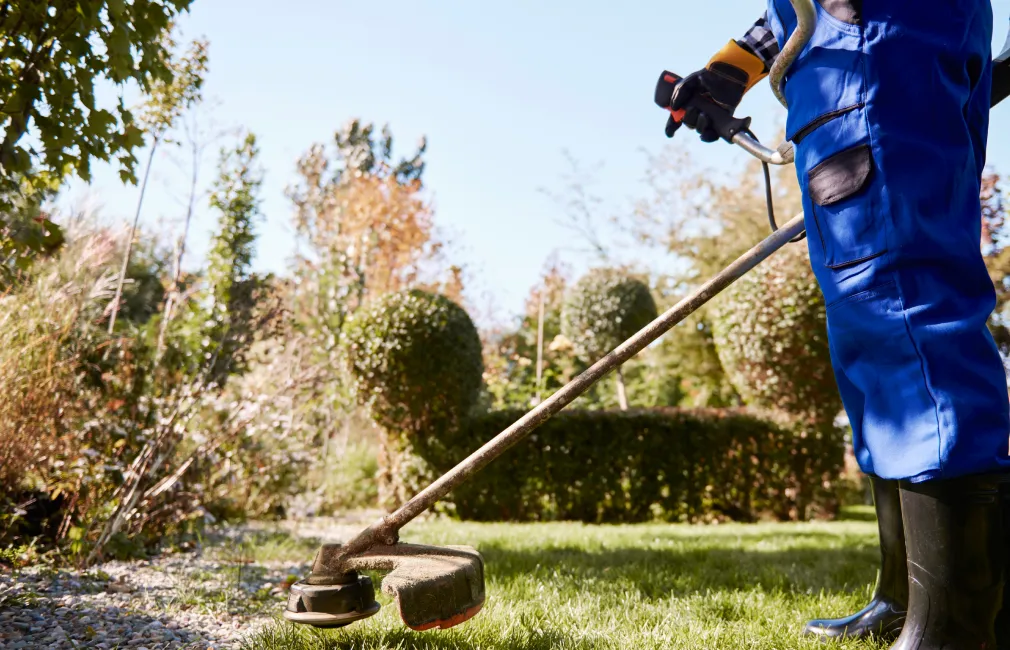
Algonquin enforces specific ordinances for hedge trimmer operation and commercial landscaping services. Equipment may be operated from 7:00 AM to 7:00 PM on weekdays and 8:00 AM to 6:00 PM on Saturdays; Sunday and holiday restrictions may apply. Noise levels must comply with local ordinances to minimize disturbance. Commercial services must be licensed, insured, and adhere to all safety and environmental regulations. Neighbor notification is encouraged for major projects. For questions about local ordinances or to report violations, contact:
Algonquin Community Development Department
2200 Harnish Drive, Algonquin, IL 60102
Phone: (847) 658-2700
Official Website: Algonquin Community Development Department
By following these guidelines, Algonquin residents and professionals can ensure that hedge management practices support community aesthetics, environmental health, and regulatory compliance, contributing to a sustainable and attractive local landscape.